How Fake Support Numbers Appear Online
When something goes wrong with a device, app, or online account, most people quickly search for a customer support number. This is exactly the moment scammers take advantage of. Fake support numbers are designed to look helpful and legitimate, but they connect users directly to fraudsters instead of real companies. These numbers appear across search results, websites, ads, and even pop-up warnings. Many victims only realize the truth after losing money or personal information. Understanding how fake support numbers appear online can help you spot warning signs early and avoid falling into costly traps.
What Fake Support Numbers Really Are
Fake support numbers are phone numbers created by scammers pretending to represent real companies. These numbers are not connected to official customer service teams.
They are often linked to well-known brands such as tech companies, banks, or streaming services. Scammers rely on brand familiarity to gain trust quickly.
Once someone calls the number, fraudsters guide the conversation, create panic, and manipulate the caller into sharing sensitive information or making payments.
Why Fake Support Numbers Are So Effective
Fake support numbers work because they appear at moments of stress. Users are already worried about errors, account issues, or security warnings.
Scammers sound confident and professional. They use technical terms and scripted responses that feel authentic. Many people assume that a number found online must be genuine. This false sense of security allows scammers to control the conversation before victims realize something is wrong.
Where Fake Support Numbers Commonly Appear Online
Fake support numbers are placed strategically where users are most likely to look for help.
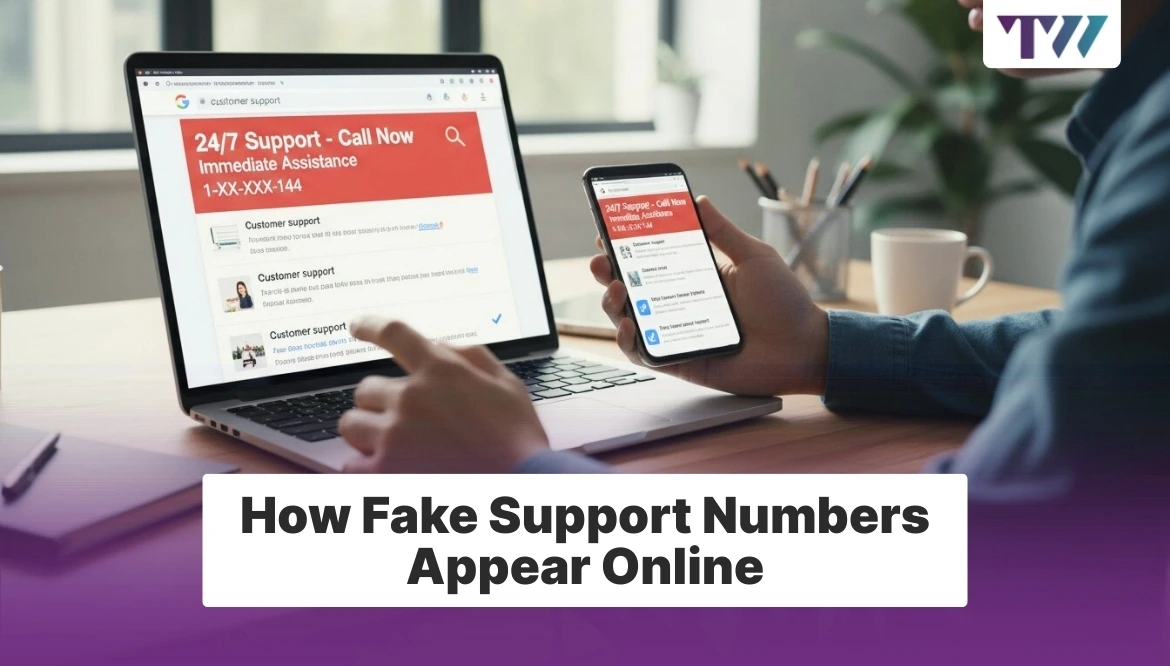
- Search engine results for customer support queries
- Sponsored ads mimicking official websites
- Fake websites designed to look like real brands
- Pop-up warnings claiming urgent device problems
These placements increase visibility and make fake numbers appear trustworthy at first glance.
Search Engine Manipulation and Paid Ads
Scammers often use search engines to spread fake support numbers. They target common help-related searches.
Fake SEO-Optimized Pages
Fraudsters create pages using brand names and support keywords to rank in search results.
Sponsored Advertisements
Paid ads allow fake numbers to appear above genuine results, making them harder to spot.
Lookalike URLs
Slight spelling changes trick users into thinking they are on an official site.
Temporary Pages
Scam pages are frequently removed and replaced to avoid detection.
This strategy makes fake numbers highly visible.
Fake Websites That Copy Real Brands
Many fake support numbers are hosted on websites designed to look identical to official brand pages. Logos, colors, and layouts are copied carefully. Some even include fake testimonials or policy pages.
Users often do not notice small differences in web addresses. Once trust is established, visitors are encouraged to call the displayed number for immediate help.
Pop-Ups and Warning Messages That Push Calls
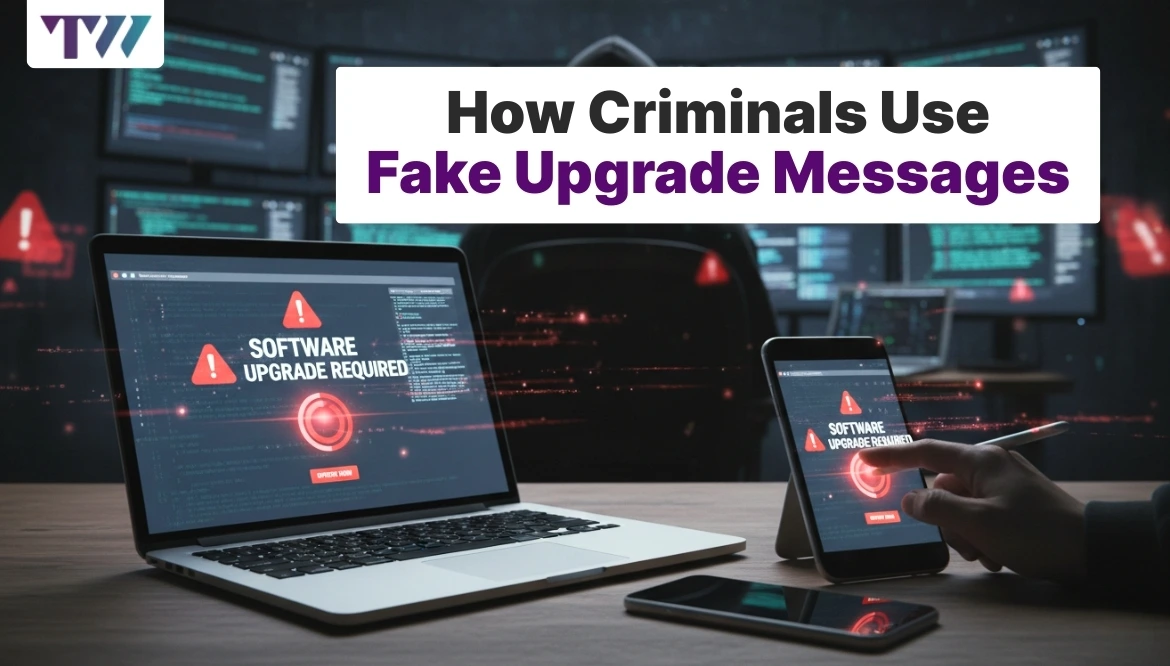
Pop-up scams are another major source of fake support numbers. These appear suddenly while browsing or downloading files. Messages warn about viruses, hacked accounts, or system damage. Loud sounds and countdown timers add urgency.
The pop-up instructs users to call a number immediately to fix the issue. In reality, these warnings are fake and designed to scare users into calling scammers.
Social Media and Community Platforms
Fake support numbers also spread through social media comments, posts, and messages. Scammers reply to users complaining about issues, offering “helpful” phone numbers. These replies appear friendly and timely.
Community forums and comment sections are often poorly moderated, allowing fake numbers to remain visible long enough to trap unsuspecting users.
What Happens When You Call a Fake Support Number
Calling a fake support number often leads to a scripted scam process. Fraudsters follow a predictable pattern. They may ask questions to appear helpful, then claim serious issues exist. Victims are told their account, device, or data is at risk.
Next, scammers request remote access, personal details, or payment. Once control is gained, damage escalates quickly, and recovery becomes difficult.
Common Tricks Used During Fake Support Calls
Fake support agents use psychological pressure to control victims.
- Claiming immediate threats to data or money
- Asking for one-time passwords or login details
- Requesting payment via gift cards or transfers
- Creating urgency to prevent second opinions
These tricks are designed to keep callers from thinking clearly or verifying information.
Warning Signs That a Support Number Is Fake
Recognizing red flags can stop scams early. A real company rarely asks for passwords or payment over the phone. Unexpected calls or pop-ups demanding action are suspicious.
If the agent pressures you, avoids verification, or refuses to let you hang up and call back, it is likely a scam.
How to Find Legitimate Support Numbers Safely
The safest way to find real support numbers is through official sources only. Visit the company’s official website directly by typing the address yourself. Use verified apps or account dashboards.
Avoid clicking ads or pop-up links for support. Bookmark trusted support pages so you can return safely when needed.
What to Do If You’ve Called a Fake Support Number
If you realize you contacted a fake support number, act quickly. Disconnect the call immediately. Change passwords for any accounts discussed. Run a security scan if remote access was given.
Contact your bank if payment information was shared. Reporting the scam helps protect others and may limit further damage.
Why Fake Support Numbers Keep Spreading
Fake support numbers continue to appear because they are profitable and easy to set up. Scammers can create new numbers and websites quickly. Even if one is taken down, another appears shortly after.
Lack of awareness also plays a role. Many users are still unaware that support numbers can be fake, making education essential.
Wrap Up
Fake support numbers are a growing online threat that relies on fear, urgency, and trust in well-known brands. They appear through search engines, ads, pop-ups, and social platforms, making them difficult to avoid without awareness. By understanding where these numbers come from and how scams operate, users can protect themselves from serious losses. Staying calm, verifying sources, and using official channels are the best defenses. When it comes to online support, a little caution can prevent a lot of damage.
FAQs
1. How do fake support numbers usually trick users?
They create urgency through errors, warnings, or account threats. Users panic and call the number, believing it is official, before verifying its authenticity.
2. Are fake support numbers only related to tech companies?
No, they target banks, shopping platforms, email services, and streaming providers as well. Any popular service can be used as bait.
3. Can fake support numbers appear in Google search results?
Yes, scammers use ads and SEO tricks to place fake numbers high in search results, making them appear legitimate at first glance.
4. Should real support teams ever ask for passwords or payments?
No, legitimate companies do not ask for passwords, one-time codes, or payments through unsolicited phone calls.
Share
Tweet
Pin it
Latest Blog Post
Read Our blogs to be updated with latest deals and trends.