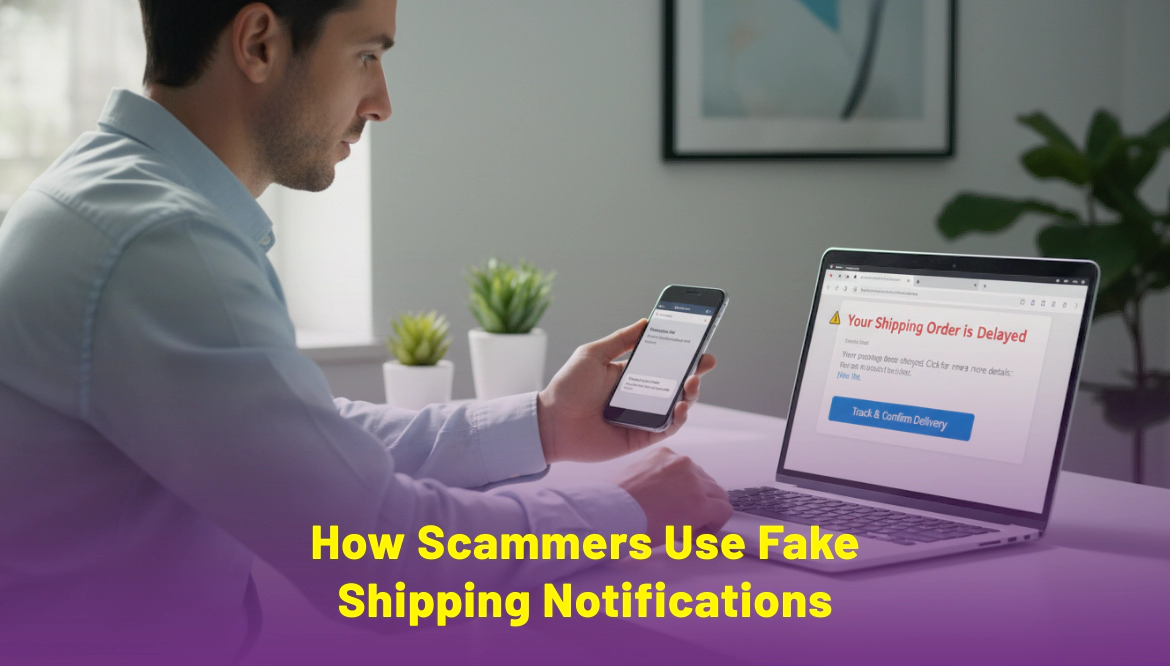
How Scammers Use Fake Shipping Notifications
Online shopping has become a part of daily life. We order clothes, gadgets, groceries, and almost everything from the internet. Because of this, we also receive many messages about deliveries, “Your package is arriving,” “Your order is out for delivery,” or “Your shipment has been delayed.”
Scammers know this very well. They use fake shipping notifications to fool people. These messages look real, and many people click without thinking. Once you click, scammers can steal your personal information, banking details, or even infect your device with harmful software.
The good news is that you can easily protect yourself by learning how these scams work. This blog explains everything in simple language.
1. What Are Fake Shipping Notifications?
Fake shipping notifications are messages sent by scammers pretending to be delivery companies like:
-
FedEx
-
UPS
-
Local courier services
-
Online shopping sites like Amazon
These messages usually say something like:
-
“Your package is waiting for delivery. Click to confirm.”
-
“Your shipping address is incorrect. Update now.”
-
“Your parcel is on hold. Pay $5 to release.”
-
“Click the link to track your shipment.”
The aim is to make you click quickly, without thinking.
2. Why These Scams Work So Well
People fall for fake shipping notifications because:
-
They order online often
-
They may be waiting for a package
-
The message looks urgent
-
The notification looks official
-
The link seems related to a real delivery
Scammers take advantage of this confusion. They know most people don’t remember every order they placed.
3. What Happens When You Click the Link
Once you click the link in a fake shipping message, several dangerous things can happen.
✔ You may be taken to a fake website
These sites look like real courier websites but are designed to steal your information.
✔ Your phone or computer may get infected
The link may install malware, which can spy on your activities.
✔ You may be asked to pay a small fee
A fake “delivery charge” of any small amount is used to steal your card details.
✔ Your login information may be stolen
If you enter your username and password, scammers can hack your accounts.
✔ You may accidentally share sensitive details
Such as your address, phone number, or full identity.
4. Types of Fake Shipping Notification Scams
Scammers use many tricks. Here are the most common ones:
A. Fake Tracking Link
The message contains a link that looks like:
-
fedex-delivery-update.com
-
dhl-track-now.info
-
track-package-alert.net
These are not real websites but scam sites.
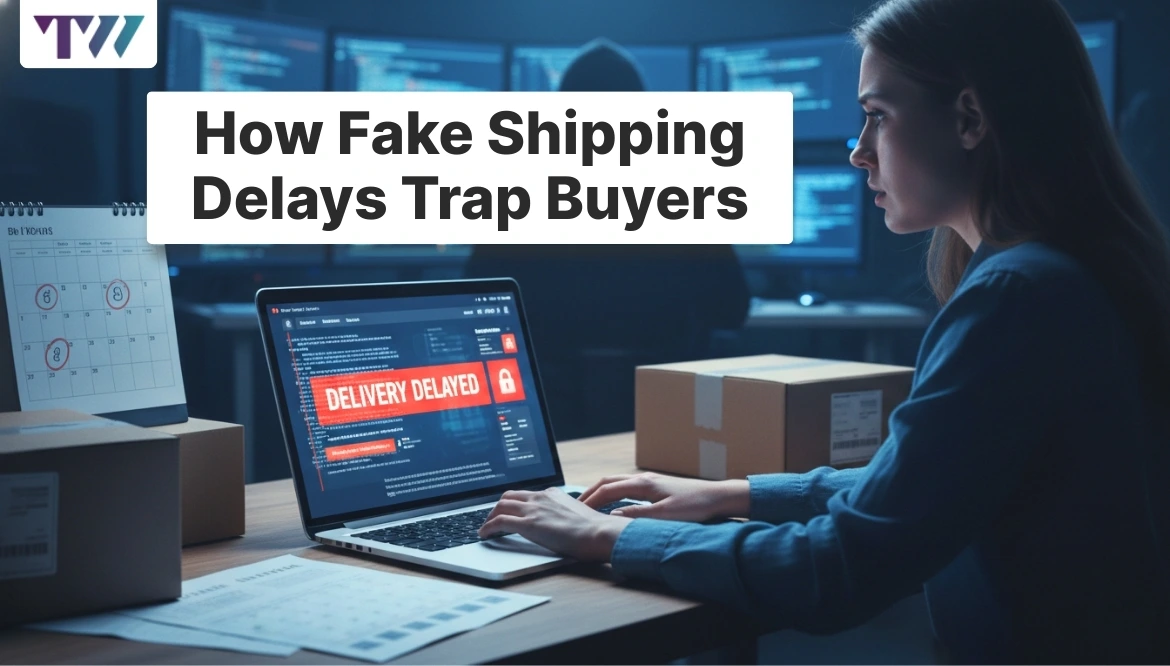
B. “Delivery Failed” Messages
These messages say:
-
“We could not deliver your package.”
-
“Address incomplete—update now.”
People click because they worry about losing a parcel.
C. Small Payment Request
The message asks for a tiny fee such as $5 to “release” the parcel. Once you enter your card details, scammers use it to steal larger amounts.
D. Fake COD (Cash on Delivery) Scams
Scammers send a fake courier to your house with a package you never ordered. The delivery person, also a scammer, asks for payment.
E. Fake Emails That Look Professional
Some emails contain real logos, tracking numbers, and courier-style layouts. But the link inside leads to a harmful website.
F. Fake WhatsApp Messages
These are common because scammers know people check WhatsApp more frequently. The message may say:
-
“You have won a free gift.”
-
“Your reward is out for delivery.”
-
“Confirm your address for delivery.”
5. How to Recognize Fake Shipping Notifications
Here are simple signs to help you identify a fake message:
✔ The message is unexpected
If you didn’t order anything, ignore it.
✔ The link looks strange
Real courier companies use simple domains like .com or .in.
✔ The message is full of mistakes
Spellings, grammar errors, and odd spacing are common in scam messages.
✔ The message creates urgency
Words like “immediate,” “final notice,” or “urgent action needed” are red flags.
✔ You are asked for money
Legitimate couriers do not charge small random fees through links.
✔ Sender number or email looks suspicious
Unknown numbers, personal emails, or numbers from foreign countries are common signs.
6. How to Stay Safe from These Scams
Staying safe is easy when you follow a few simple habits.
A. Never Click on Unknown Links
If the message seems suspicious, delete it immediately.
B. Check Your Real Orders
Open the official app or courier comapny's website to track your orders. Do not trust the links in the message.
C. Verify Tracking Numbers
Real tracking numbers can be checked only on the official courier website.
D. Do Not Pay Small “Release Fees”
Courier companies never ask for small payments via random links.
E. Install a Good Antivirus
It can detect and block harmful links and malware.
F. Block and Report the Sender
You can report spam messages to your mobile operator.
G. Educate Family Members
Many victims are:
-
Elderly people
-
Children
-
New internet users
Explain to them not to click suspicious links.
7. What to Do If You Clicked the Link
If you clicked by mistake, don’t panic. Act quickly:
-
Disconnect your internet
-
Do not enter any information
-
Close the page immediately
-
Scan your device with antivirus
-
Change your passwords
-
Call your bank if you entered card details
-
Enable SMS alerts for bank transactions
Fast action can reduce the damage.
Final Thoughts
Fake shipping notifications are one of the most common online scams today. They play with your trust and confusion. Because we receive so many delivery updates, scammers take advantage of this and create believable messages.
By staying alert, avoiding unknown links, verifying information through official apps, and understanding the warning signs, you can protect yourself easily.
Your safety is in your hands, think twice before clicking any delivery message.
Share
Tweet
Pin it
Latest Blog Post
Read Our blogs to be updated with latest deals and trends.